Field notes: the census that was already out of date before the ink dried
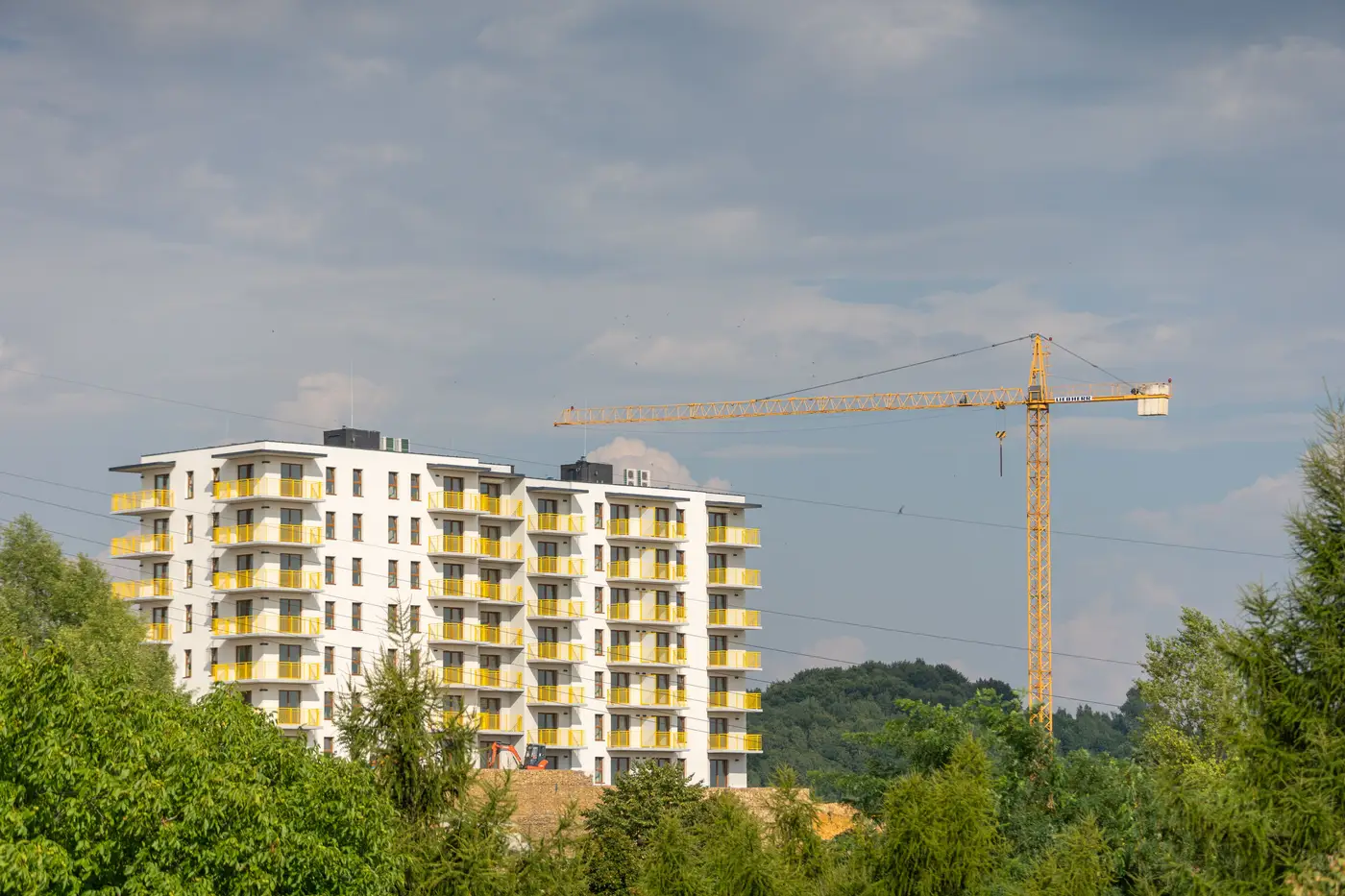
Every census has a publication lag built into it, and every statistician knows the number by heart for their own office: eighteen months, two years, sometimes longer between enumeration and the final gazetted figures. Nobody treats this as scandalous. It's processing time. Field forms get scanned, coded, cross-checked against the sample, reconciled against the housing frame, and eventually turned into a table that someone in finance uses to carve up a transfer formula.
The part that doesn't get discussed enough is what happens to that number while it's sitting in the pipeline, specifically in the districts where it's growing the fastest.
I think about one district office I sat in a few years back, in a peri-urban belt on the edge of a mid-sized capital. The enumerators had done solid work. Supervisors signed off. The provisional count went up the chain clean.
By the time the final tables came back down, eighteen months later, the district planning office had already issued permits for three new housing estates and a market extension that weren't in the count at all, because they didn't exist on census night. The head of planning laughed about it, not bitterly, just the laugh you give something you've seen too many times. "We're publishing the past," he said, "and calling it the present."
That's the real complaint from people doing inter-censal work, and it isn't really about census methodology. The methodology is fine. The sampling is fine. It's the structural fact that a de jure count of a place frozen on one night can't describe a district where new roofs are going up every month. In the fast-growing periphery of almost any capital, informal and formal both, the lag between count and publication isn't a rounding error. It's a generation of households.
Someone pulls out the last census figure because it's the only number with an official seal on it. A school enrollment planner uses it. A water utility uses it to size a pipe. A disaster response coordinator pulls it off a shelf during an emergency and treats it as current because there's nothing else to treat as current.
The planner, the utility engineer, the coordinator, most of them suspect the figure is stale the moment they open the file. None of them has an alternative that would survive a methodology review, so the stale number wins by default.
Redoing the census more often isn't on the table. Nobody's budget supports an annual national enumeration, and nobody's enumerators have the appetite for it either. What a statistics office can do is track growth in a specific, bounded area of interest through a different kind of evidence between counts: how much built-up area has appeared, how many structures now stand where there used to be field or scrub, how tall those structures are. None of that requires knocking on a single door. It requires a clear image of the ground, taken recently, read carefully.
A built-up-area and structure-count approach turns that evidence into an inter-censal population estimate: a working number for the years between one official count and the next. If your district is the one the planning office keeps laughing about, the inter-censal estimate built from current imagery is worth a look before the next budget cycle locks in last decade's number.
The ink on the last census dried on a district that had already moved on. Build the next estimate for the ground as it stands right now.